Cancer Research
Our Mission
Advancing research into the mechanisms of oral and maxillofacial diseases, with a focus on oral cancer, and exploring new therapeutic strategies
Delivering high-quality diagnostic expertise in oral pathology through the work of experienced specialists
Cultivating future leaders in oral pathology who can excel on the international stage
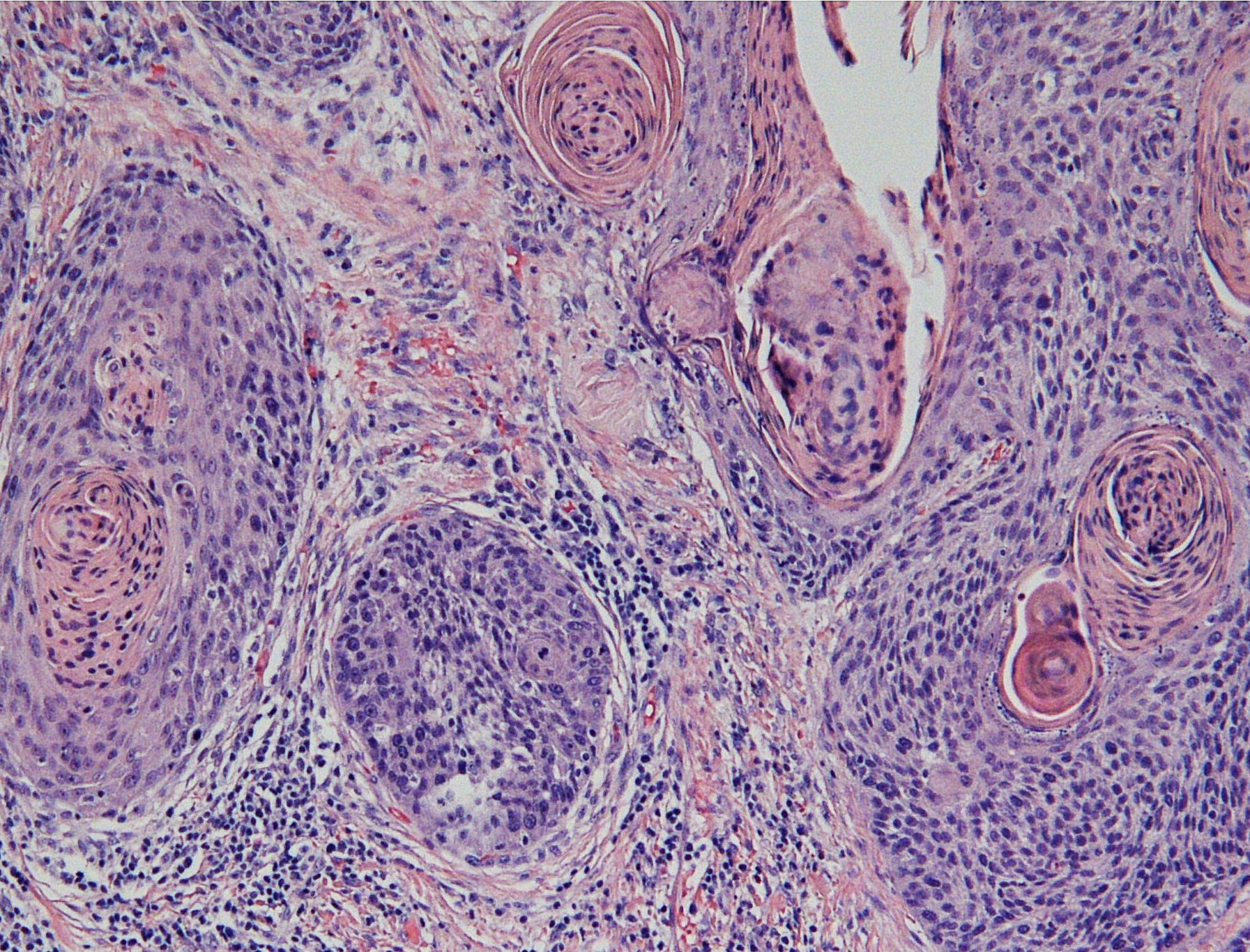
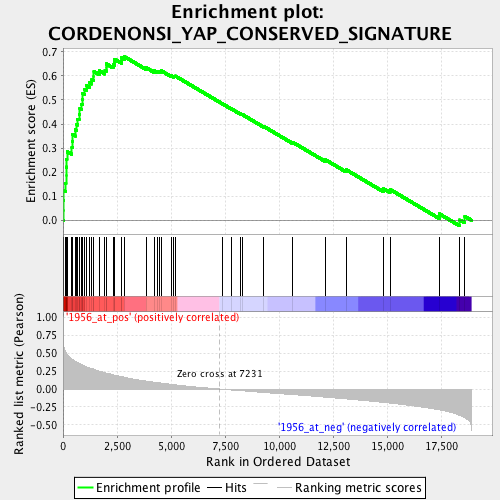
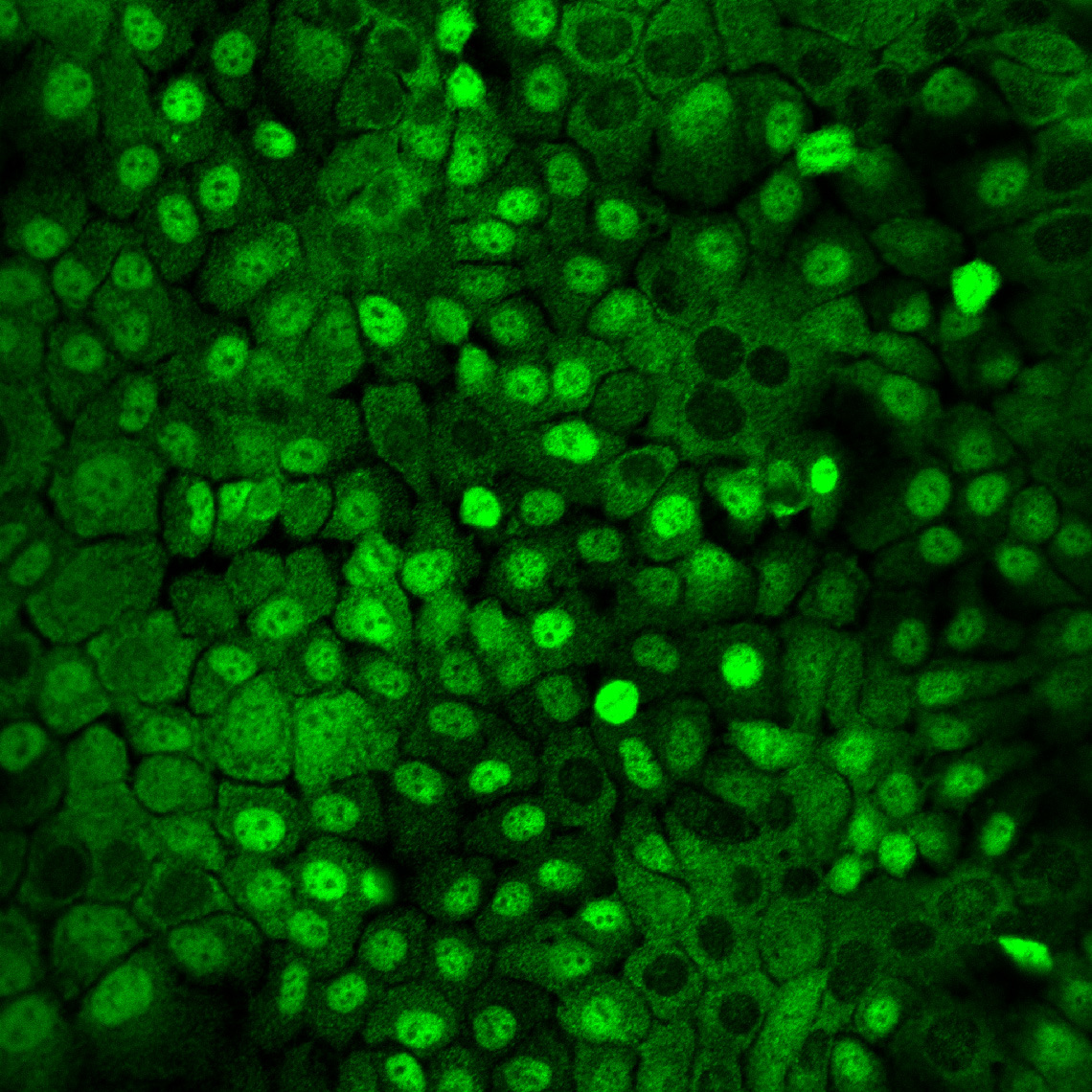
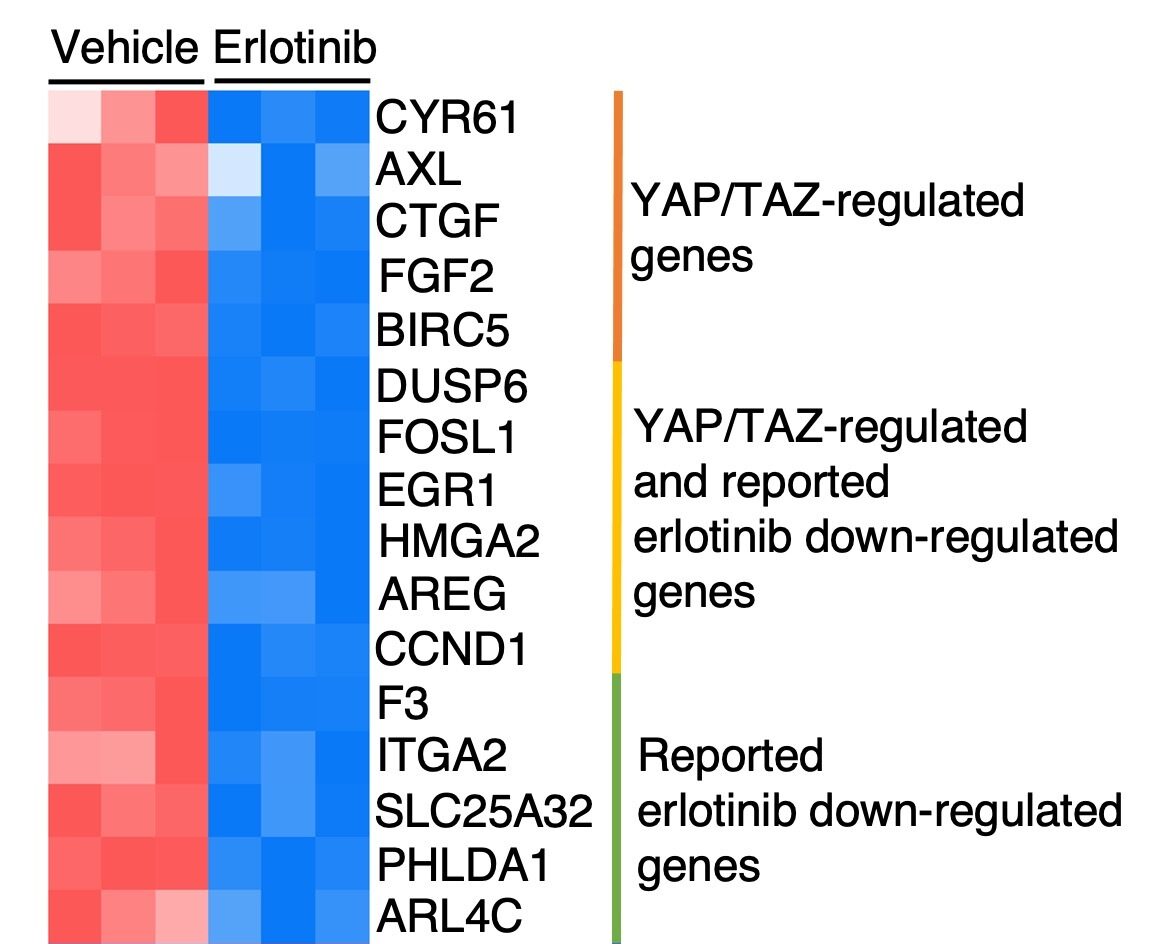
Exploring the Pathogenesis of Oral Cancer
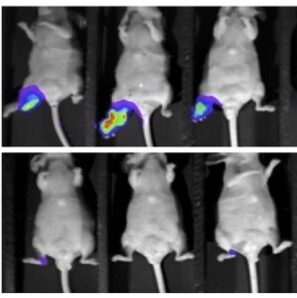
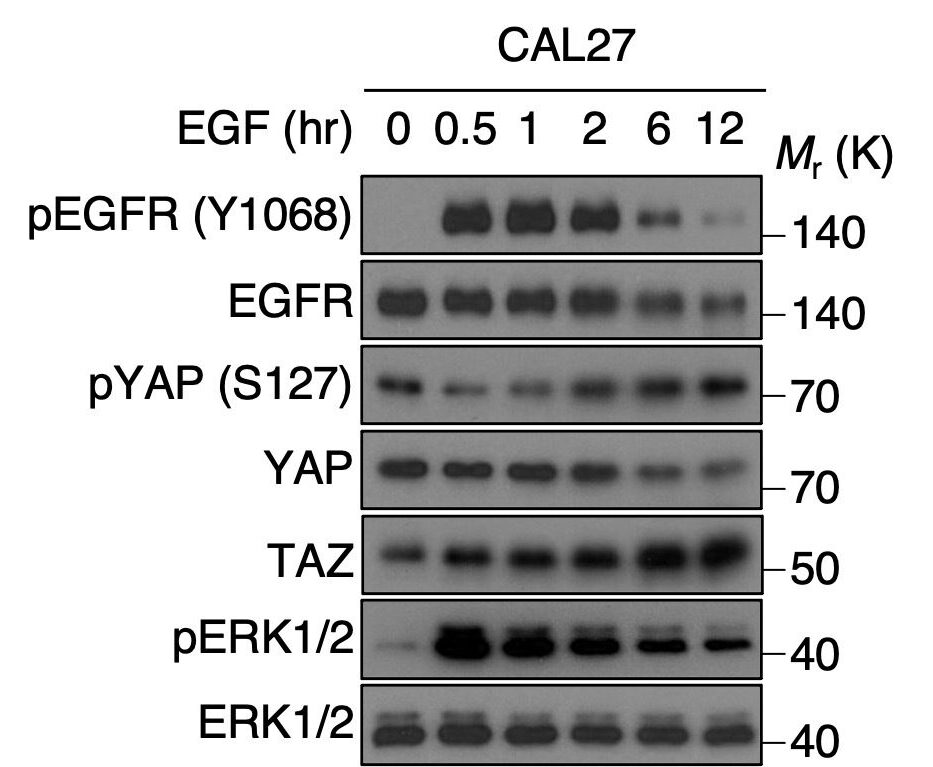
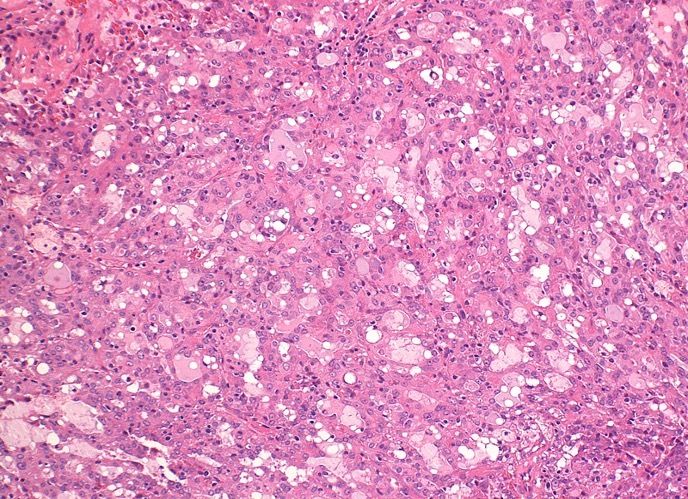
Cancer develops and progresses as a result of genetic alterations that abnormally regulate intracellular signaling pathways. We have revealed that aberrations in the Hippo pathway play a pivotal role in cell proliferation, drug resistance, and immune evasion in oral cancer. However, many aspects of this pathway and its pathological mechanisms remain elusive, and we continue to advance our research to achieve a deeper understanding.
Our research extends beyond oral squamous cell carcinoma, which accounts for the majority of oral cancers, to include odontogenic tumors and salivary gland tumors. We aim to elucidate the mechanisms of tumor initiation and the factors driving disease progression in each of these conditions.
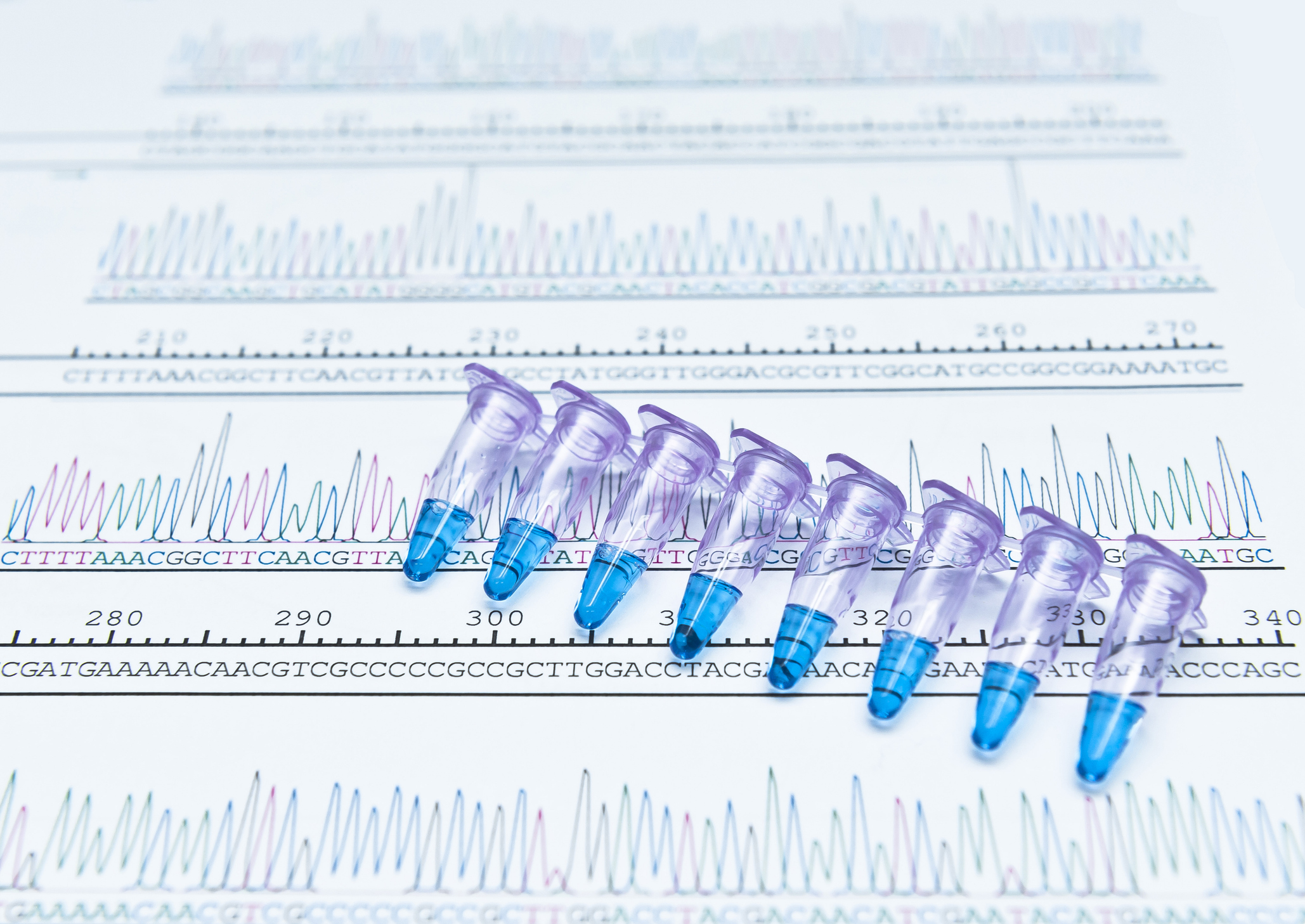
To this end, we employ a broad and cutting-edge range of approaches, including molecular biological analyses using human and mouse cancer cell lines, protein–protein interaction studies, phosphoproteomics, multi-omics analyses of DNA, RNA, and proteins, bioinformatics, molecular pathology techniques, studies using genetically engineered mouse models and in vivo xenograft models, as well as single-cell analyses.
Uncover the relationship between periodontal disease and systemic conditions
We aim to elucidate the mechanisms linking periodontal disease to conditions such as non-alcoholic steatohepatitis, preterm birth, cardiovascular diseases, and Alzheimer’s-type dementia.
Our research involves analyses using oral bacteria and mouse models.
We are promoting collaborative research between medical and dental sciences.
Coming soon!
Advancing Diagnostics and Therapeutics
In 2019, cancer genomic medicine entered a new era in Japan. By analyzing the genetic alterations in tumor tissues, it has become possible to select the most suitable molecular-targeted therapies based on individual genomic profiles—bringing us one step closer to truly personalized cancer treatment.
However, in the case of oral cancer, the number of approved molecular-targeted drugs remains limited. Consequently, there are still relatively few patients for whom cancer genomic medicine leads directly to the selection of effective treatments.
To address this gap, we are working to develop novel diagnostic tools and therapeutic strategies based on the mechanisms of genetic alterations and aberrant signaling pathways.
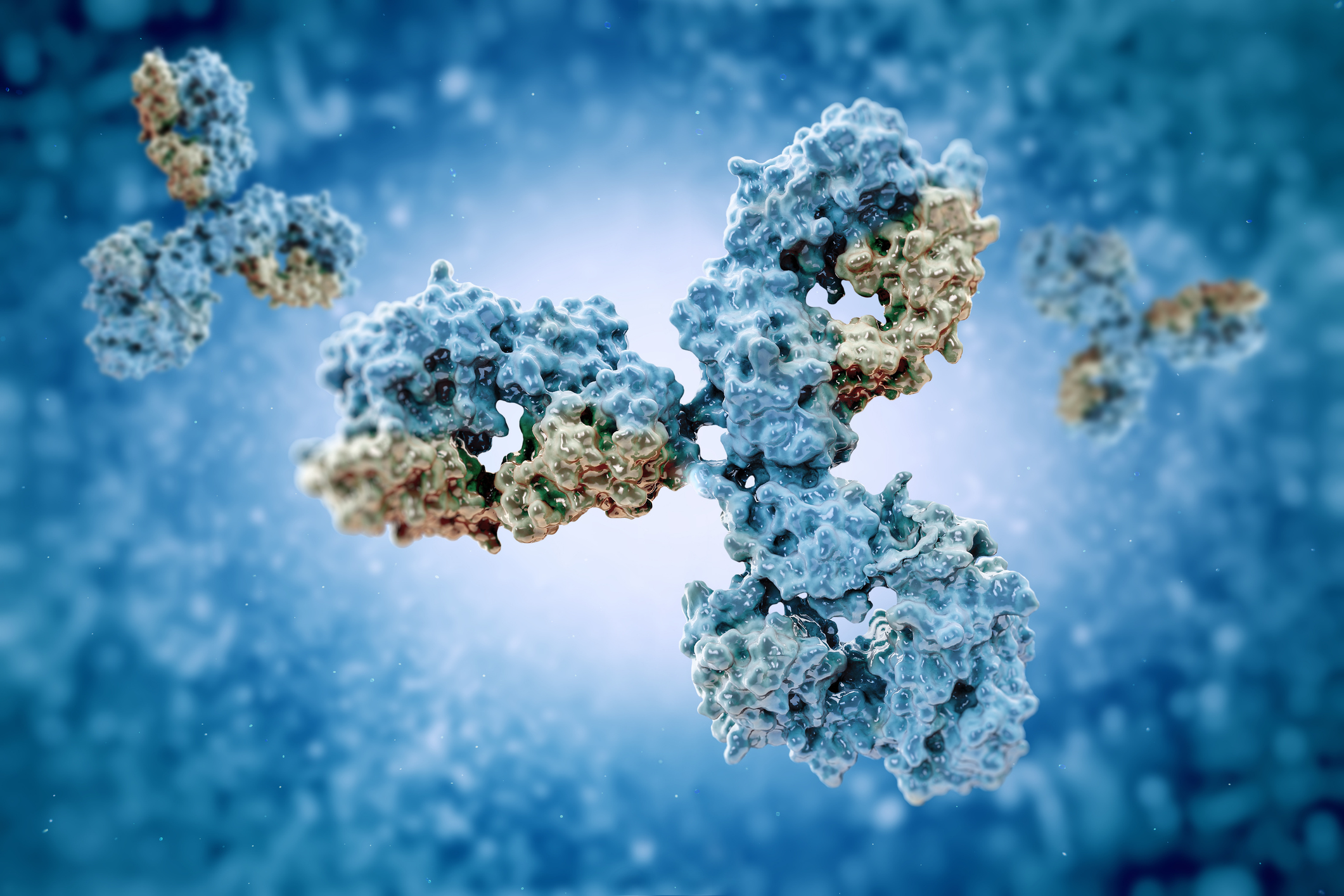
Our research explores a wide range of therapeutic modalities, including antibodies, small molecules, peptides, and mRNA-based agents, with the goal of realizing the future of precision medicine for cancer.
Precise and Advanced Oral Pathology Diagnostics by Certified Specialists Fostering the Next Generation of Globally Active Oral Pathologists
In oral pathology, the diagnosis of various diseases occurring in the oral and maxillofacial region—particularly oral squamous cell carcinoma, odontogenic tumors, and salivary gland tumors—requires a high level of expertise, clinical experience, and diagnostic skill. As such, obtaining board certification as a specialist in oral pathology or oral cytopathology is strongly recommended.
With the recent advances in cancer genomic medicine, oral pathologists are increasingly expected to contribute to companion diagnostics for predicting the efficacy of molecular-targeted therapies, as well as to participate in expert panels. In this context, qualification as a certified specialist in molecular pathology (oral) is also becoming essential. Our laboratory provides a structured training system to support graduate students in obtaining these professional credentials.
While oral pathology has traditionally developed through morphology-based approaches, the field is now evolving into “next-generation digital oral pathology,” incorporating genetic and proteomic analysis along with cutting-edge technologies such as artificial intelligence. In our lab, we integrate these multimodal technologies to help students acquire practical skills applicable to research, education, and diagnostics.
Furthermore, through daily use of English, opportunities for studying abroad, and participation in international conferences, we actively support the development of globally engaged oral pathology specialists who can contribute to the international medical and scientific community.

News!!
Professor Toshinori Ando assumed the position in the Department of Oral and Maxillofacial Pathobiology on August 1, 2025.
SNS(facebook, instagram, X)
Address
5th Floor, Basic and Social Medicine Building
1-2-3 Kasumi, Minami-ku, Hiroshima 7348553
Department of Oral and Maxillofacial Pathobiology, Graduate School of Biomedical and Health Sciences, Hiroshima University
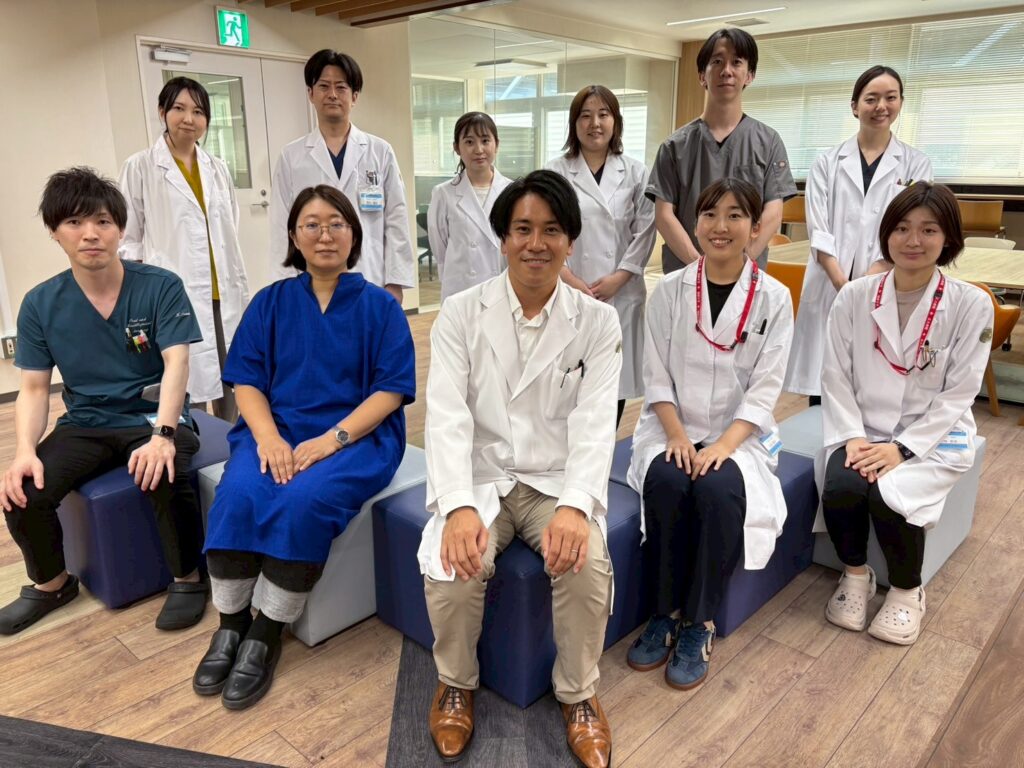
The new Oral Pathology team at Hiroshima University has officially launched as of August 1, 2025.
We appreciate your continued support and look forward to this new beginning!
広島大学 大学院医系科学研究科 口腔顎顔面病理病態学 is proudly powered by WordPress